DETACHED ADU CONSTRUCTION PROCESS
1. PLANNING & PROPERTY EVALUATION
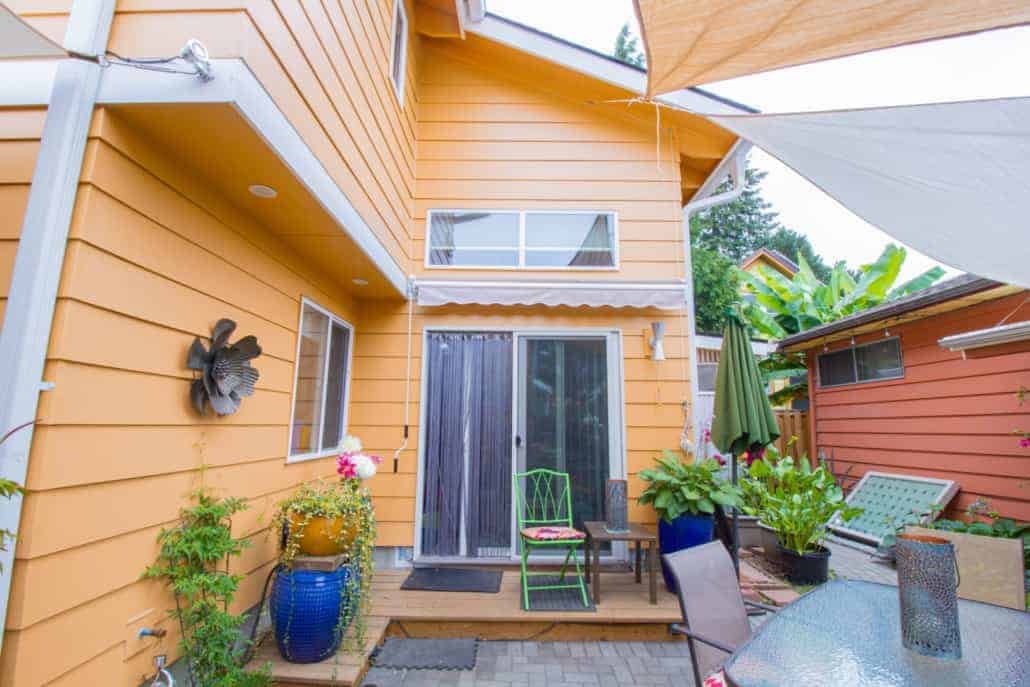
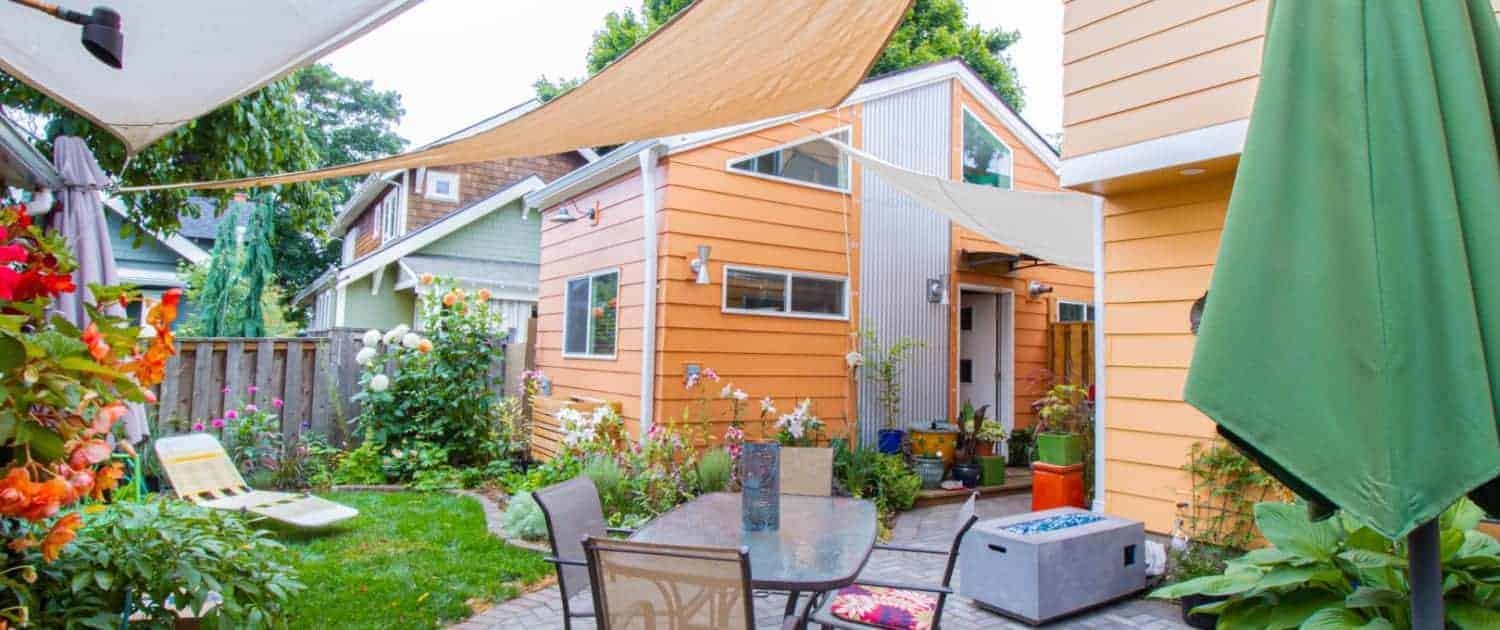
Every detached ADU project begins with proper site planning, zoning review, and property evaluation. Setback requirements, lot coverage, utility access, and overall property layout must be carefully reviewed before construction begins. In many Portland-area projects, detached ADUs are commonly built approximately 5 feet from the property line and 10 feet from the existing house, depending on local code requirements and approved plans.
2. DESIGN, ENGINEERING & CITY PERMITS
A successful ADU project requires detailed architectural plans, structural engineering, and city permit approvals before construction starts. Proper planning helps avoid delays, code violations, and costly changes during the building process. Our team works closely with homeowners, designers, engineers, and local jurisdictions throughout the permitting phase.
3. EXCAVATION & FOUNDATION WORK
After permits are approved, the site preparation process begins with excavation, grading, utility trenching, drainage planning, and concrete foundation work. Proper foundation preparation is critical for long-term structural stability and moisture protection.
4. FRAMING, ROOFING & EXTERIOR STRUCTURE
Once the foundation is complete, wall framing, roof framing, shear walls, and exterior structural components are installed. Roofing, siding, windows, and weatherproofing systems are then completed to protect the structure from Portland’s weather conditions.
5. PLUMBING, ELECTRICAL & MECHANICAL INSTALLATION
Detached ADUs require complete utility systems including underground plumbing, water service connections, sewer lines, electrical systems, HVAC installation, and inspections. Proper coordination between trades is essential for code compliance and long-term performance.
6. INTERIOR FINISH & FINAL INSPECTIONS
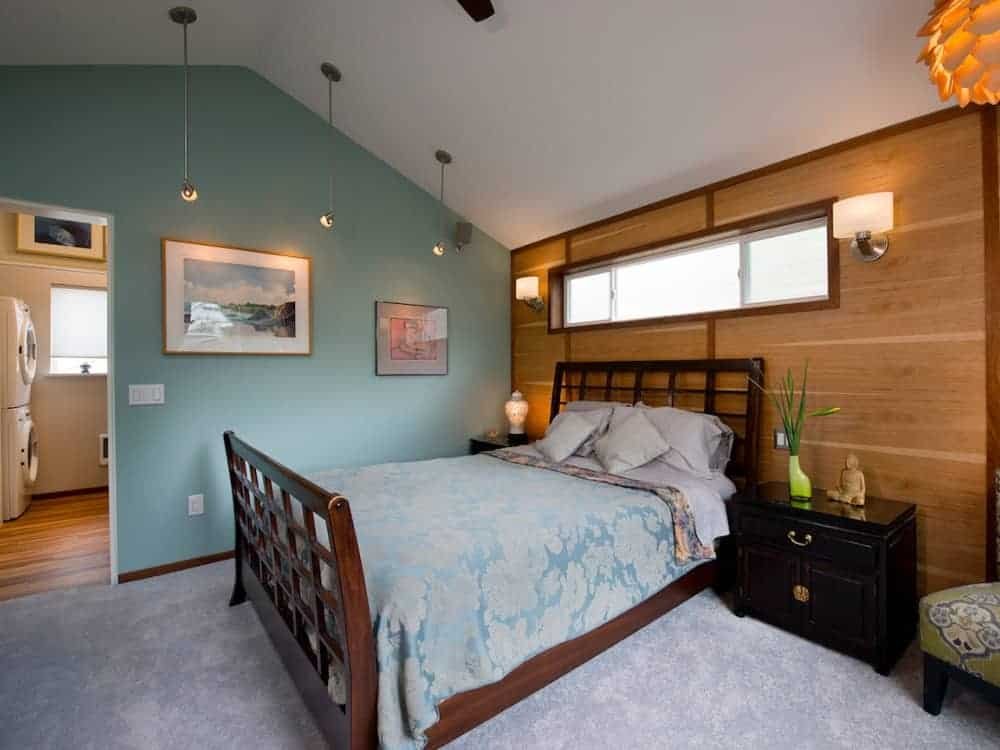
The final phase includes insulation, drywall, cabinetry, flooring, tile, painting, finish plumbing, finish electrical, and final city inspections. Careful project coordination helps ensure the ADU is completed safely, efficiently, and ready for occupancy.
What you need to know
Building an ADU or converting an existing basement or garage into a living space requires proper planning, quality construction, and experience working with residential structures. Many older homes in Portland present unique structural and layout challenges that must be carefully evaluated before construction begins.
At JAM Concept Remodeling, we help homeowners create functional and comfortable living spaces designed around their property, budget, and long-term goals. Whether the project involves a detached ADU, basement conversion, garage conversion, or home addition, our team focuses on quality workmanship, practical design solutions, and attention to detail throughout the construction process.
Our experience working on remodeling, framing, additions, and residential construction projects allows us to understand how to maximize existing spaces while maintaining the integrity and functionality of the home.
How we can help
JAM Concept Remodeling works closely with homeowners to help transform unused or outdated spaces into functional living areas designed for modern residential needs. From ADUs and basement conversions to garage transformations and home additions, our goal is to create practical spaces that add comfort, flexibility, and long-term value to the property.
We understand that every home and project is different. That is why we focus on planning, communication, quality framing, and construction solutions that fit the existing structure of the home while helping maximize available space.
Whether you are building a detached ADU, converting a basement into a legal living space, or adding square footage to your home, our team brings real hands-on construction experience and attention to detail throughout every phase of the project.
For additional information about Portland ADU requirements and residential permitting, homeowners can also visit the City of Portland Bureau of Development Services website.
Our experience
Our construction experience began in the San Francisco Bay Area, where we worked on residential construction, remodeling, and retrofit projects involving older homes and structural improvements. After relocating to Portland, Oregon, we continued working on residential remodeling and custom construction projects alongside local builders and architects for more than a decade.
Over the years, we have gained extensive experience working on basement conversions, ADUs, home additions, framing, structural remodeling, and older home renovations throughout the Portland metro area.
Our hands-on construction background allows us to understand the planning, framing, layout, and structural considerations required to successfully transform unused spaces into functional living areas designed for long-term use and value.
Through years of working on older homes and basement remodeling projects, we have learned that many properties built more than 60 years ago often present structural and foundation conditions that require careful evaluation before construction begins.
In many older basements, we commonly find minimal or no footing reinforcement, concrete foundation walls without rebar reinforcement, inadequate exterior drainage systems, and little or no waterproofing protection around the foundation walls. These conditions can create long-term moisture and structural concerns if they are not properly addressed during the planning and remodeling process.
That is why proper investigation, planning, and evaluation are extremely important before converting a basement into a finished living space or beginning a major remodeling project. Our goal is to help homeowners make informed decisions and create functional living spaces that provide long-term value, safety, and investment protection over time.
BASEMENT ADU CONVERSION PROCESS
1. BASEMENT EVALUATION & STRUCTURAL ASSESSMENT
Every basement ADU project begins with a detailed evaluation of the existing basement condition. Older homes throughout Portland may have concrete foundation walls, brick foundations, low ceiling heights, moisture issues, outdated framing, or structural limitations that must be reviewed before construction begins. Proper evaluation helps determine whether the basement can be safely converted into a legal habitable living space.
2. ENGINEERING REVIEW & DESIGN PLANNING
In many basement conversion projects, structural engineering and architectural planning are required before permits can be approved. JAM Concept Remodeling works closely with experienced engineering professionals who specialize in seismic retrofitting, foundation reinforcement, and structural upgrades for older homes. During this phase, the project is evaluated to determine whether additional excavation, underpinning, beam installation, wall reinforcement, or ceiling modifications may be necessary.
3. CEILING HEIGHT & HABITABILITY REQUIREMENTS
One of the most important parts of converting a basement into an ADU is verifying whether the existing ceiling height meets current habitable space requirements. Some basements may already have sufficient height, while others may require slab excavation or structural modifications to achieve proper clearance for legal occupancy and code compliance.
4. DRAWING PLANS, PERMITS & CITY APPROVALS
After the initial evaluation and engineering review are completed, detailed drawing plans and permit applications are prepared for city approval. Basement ADU projects often require coordination between structural engineering, plumbing, electrical, mechanical, and life safety requirements before permits can be issued.
5. STRUCTURAL, FRAMING & WATERPROOFING WORK
Once permits are approved, the construction phase begins with structural upgrades, seismic improvements, framing, drainage corrections, moisture protection, and waterproofing systems as needed. Older basements frequently require reinforcement work to improve long-term safety, stability, and durability before interior finishes begin.
6. PLUMBING, ELECTRICAL & MECHANICAL INSTALLATION
Basement ADU conversions require careful coordination of plumbing systems, underground drainage, water lines, electrical systems, ventilation, and HVAC installation. Proper planning during this phase is critical to maximize ceiling space while maintaining code-compliant utility layouts.
7. INSULATION, DRYWALL & INTERIOR FINISH WORK
After rough inspections are completed, the project moves into insulation, drywall, flooring, cabinetry, tile, finish plumbing, finish electrical, painting, and final detailing. The goal is to transform the basement into a comfortable, functional, and fully habitable living space designed for long-term use and value.
Why you can trust us
Homeowners trust JAM Concept Remodeling because of our real hands-on construction experience working on remodeling, framing, basement conversions, ADUs, additions, and older home restoration projects throughout Portland and surrounding areas.
We understand that converting basements, building ADUs, and remodeling older homes requires much more than basic cosmetic construction. These projects often involve structural considerations, moisture protection, framing modifications, layout planning, and long-term functionality that must be carefully evaluated before work begins.
Our goal is to provide honest communication, practical construction solutions, and quality workmanship designed to help homeowners create comfortable and functional living spaces that add long-term value to their property.
With over 25 years of construction experience, we focus on helping clients make informed decisions while delivering projects built with attention to detail, professionalism, and real field experience.
OLDER HOME & BASEMENT EXPERIENCE
Many older homes throughout Portland were not originally designed to function as modern living spaces or basement ADUs. These projects often require careful evaluation of existing concrete or brick foundation walls, ceiling heights, drainage conditions, moisture protection, structural framing, and utility layouts before construction begins.
At JAM Concept Remodeling, we understand that every basement project presents different structural conditions depending on the age and condition of the home. Some basements may already have sufficient ceiling height and structural support, while others may require engineering review, seismic retrofitting, drainage improvements, beam reinforcement, or excavation work to meet current building requirements.
Our experience working on older homes allows us to identify potential structural and planning challenges early in the process. We work closely with experienced engineering professionals to help homeowners create safe, functional, and code-compliant basement living spaces designed for long-term durability and value.
If you want to know more about our services or need a free estimate, get in touch with us at Jam Concept Remodeling, LLC. You can use our CONTACT US form or Call 503-490-5541